

Diversity, Equity,
Inclusion & Belonging

Sport has always had the power to bring people together.
But that power doesn't operate automatically — it has to be built, sustained, and protected by the people inside the organization. Huddle Up helps athletic organizations develop the awareness, language, and leadership skills to do exactly that.
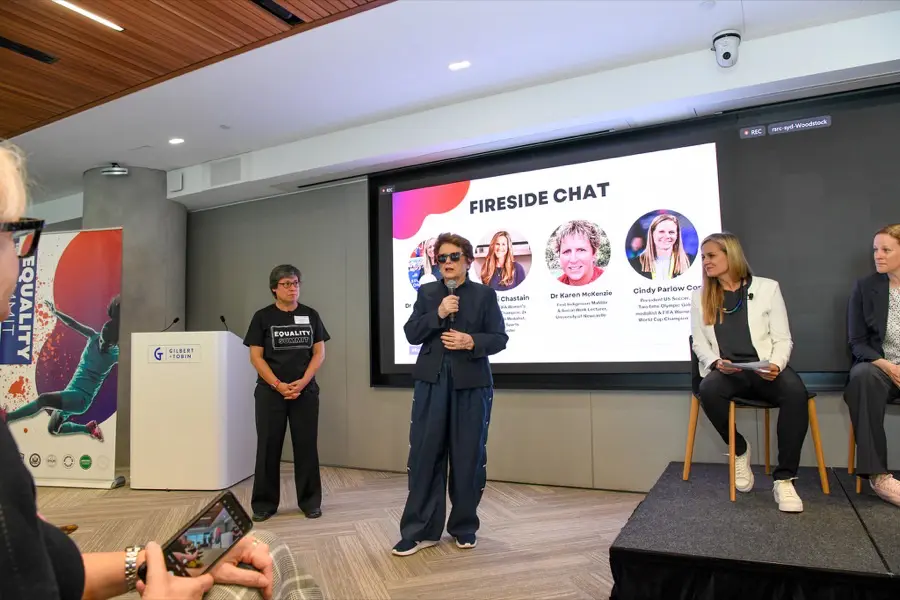
Our approach is grounded in more than three decades of experience working with sport organizations across every level of competition. We know that meaningful progress on diversity, equity, inclusion, and belonging comes from building shared understanding and trust, developing genuine skills and leadership, and creating elevated cultures where every member of the organization can fully contribute.
Huddle Up is designed to engage, empower, and equip organizations to rise to the social justice moment.


Training Topics
Each session below can be delivered as a standalone experience or as part of a sequenced series. Continuing education options are available to sustain participant learning between live sessions.
Building Community,
Building Trust
More people are feeling challenged during this time, challenged to show up, step up and be accounted for in ways that take them out of their comfort zone. This session opens with a discussion of vulnerability as a leadership skill requiring courage.
See MoreThe session is then grounded with the understanding that trust is the most valuable currency members of a community can share. Participants will consider the implications of racism on trust for all relationships. The concept of inclusive leadership is introduced to encourage participants to consider their role in creating an environment where all members of a community can flourish.
See LessThe Impact of Racism
Participants share in an opening discussion about how we can employ empathy instead of shame as a tool for social justice education.
See MoreWe will build understanding of key concepts and frequently used terms in our culture – Black Lives Matter, racism, antiracism, and systemic racism are among the terms clarified. Allan Johnson's quote, “Our collective house is burning down, and we're tiptoeing around afraid to say ‘fire'” reinforces the point that our words matter, and we have to be more intentional about how we discuss social justice issues like racism.
See LessEquality vs. Equity
This session helps participants put their ongoing learning to work in analyzing diversity, equity, and inclusion challenges within their organization.
See MoreThe session teases out the differences between the long-held American ideal of equality, with the 21st Century concept of striving for equity. A common example of the equity vs. equality dichotomy is that equality is giving everyone a pair of shoes, while equity is giving everyone a pair of shoes that fits. Establishing an awareness of individual needs aligns organizations with the platinum rule of treating people the way they want to be treated, which elevates their ability to fully participate in a team, academic, or workplace culture.
See LessUnconscious Bias &
Empowered Bystanders
One of the main culprits preventing organizations from achieving real inclusivity is unconscious bias because many forms of bias are "unconscious" — they are challenging to eradicate. This session builds awareness and equips participants to act as empowered bystanders.
See MoreWe engage participants in activities to help them see the biases that inform their lived experience, and then shift that lens to the workplace. Focusing on the workplace challenges participants to see the impact stereotypes and bias have on recruiting and hiring practices, career opportunities, assignments, and simply whose voices get elevated during meetings. An introduction to the bystander approach to prevention provides the foundation for skill-development, empowering co-workers to identify and address bias as they observe it.
See Less
Intersectionality
& Privilege
This session illuminates the full scope of privilege categories, including aspects of intersectionality that must be acknowledged.
See MorePut simply, intersectionality is the recognition that most people have multiple identities that affect their life experience. Too often conversations center one aspect of a person's identity while pushing others to the background, i.e. talking about race but not gender. This oversight often causes harm and contributes to oppressive attitudes or experiences. In this session, participants learn how various systems of oppression overlap, and to identify how these layers serve as barriers to bringing their full selves to the workplace. This session will also help participants understand how to use their privilege to help others.
See LessEngage, Empower, Equip
This session provides scenario-based problem-solving opportunities for participants to apply their social justice learning and their skills as allies, bystanders and leaders.
See MoreThe scenarios direct participants to consider various dynamics present in each organizational social justice issue, ranging from co-worker relationships to the values of the organization, and then work through effective strategies for addressing the situation. Small groups are assigned scenarios and charged with reporting out to the large group their understanding of the situation and intervention strategy.
See Less
Additional Sessions Include:
- LGBTQ+
- Sexism in Sport Organizations: Creating a Safe Work Environment
- Living Your Values: Defending your Culture
- Navigating the Multi-Generational Workplace
- Emotional Intelligence Leadership Skills for the 21st Century
Learn More About Our
Impact with Our Partners!

Diversity, Equity, Inclusion
& Belonging with
NASCAR
See More The Problem:
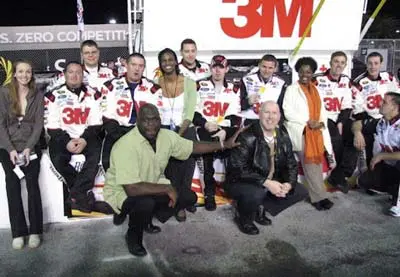
NASCAR recognized the need to meaningfully advance diversity, equity, inclusion, and belonging across their organization and the sport, and sought expert partners to help move beyond awareness into action.
The Solution:
Our team worked with NASCAR to develop and deliver customized DEIB training that met people where they were and built practical skills for creating a more inclusive culture — from leadership to frontline staff — across the sport.